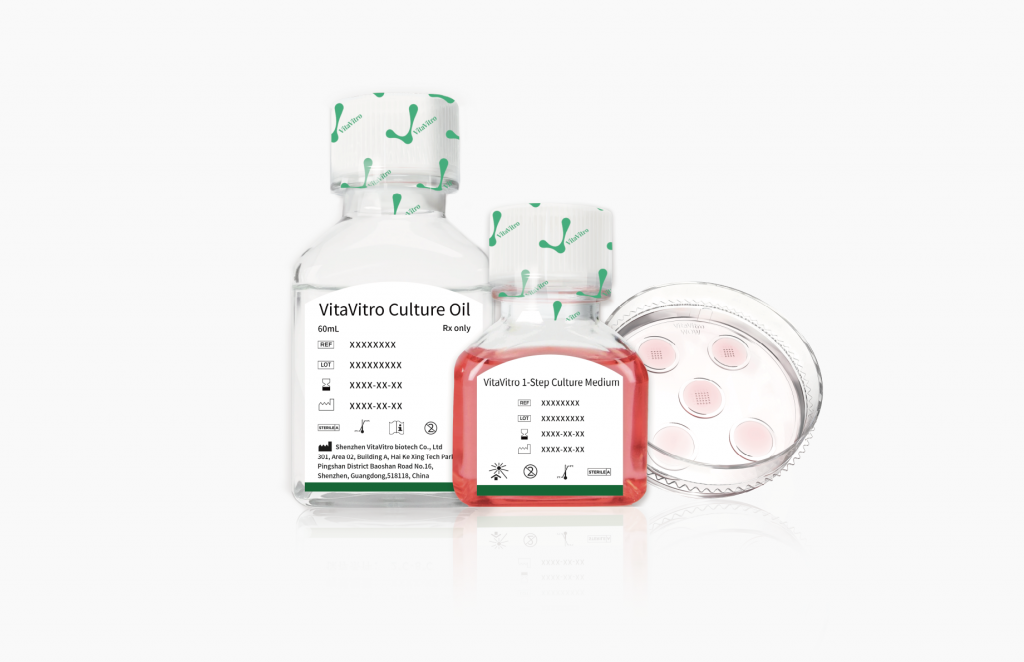





In the continuous evolution of embryo culture technologies, the vast majority of research remains focused on optimizing the chemical composition of culture media. However, this focus often overlooks a critical independent variable: the physical architecture of the embryo culture vessel itself.
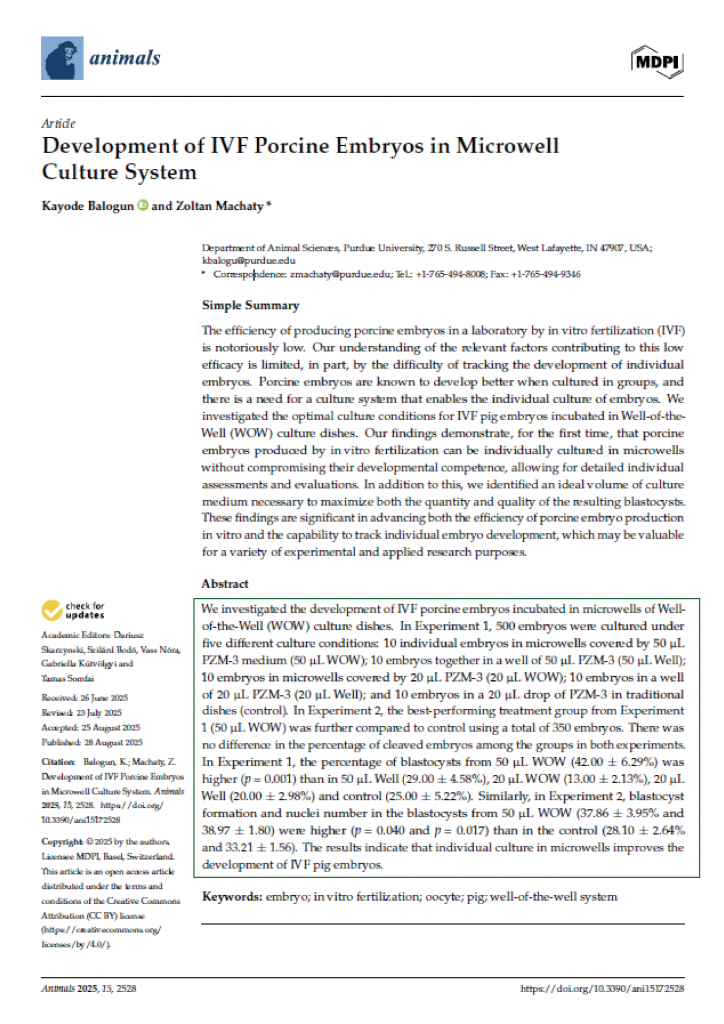
Addressing this industry limitation, a collaborative study between VitaVitro and Purdue University (USA) has introduced a promising architectural solution. Published in the peer-reviewed international journal Animals and titled "Development of IVF Porcine Embryos in Microwell Culture System," the study validates the universal efficacy of VitaVitro's WOW (Well-of-the-Well) microwell system in optimizing the culture microenvironment, providing strong cross-species scientific evidence for this advanced technology.
Data-Driven Insights: Microwell Technology Redefines the Culture Paradigm
Through a rigorous controlled study, the research clearly demonstrates the significant variations in embryo outcomes between conventional drop culture and microwell culture. The core data highlights this contrast:
Table 1: Embryo Development Parameters by Culture System
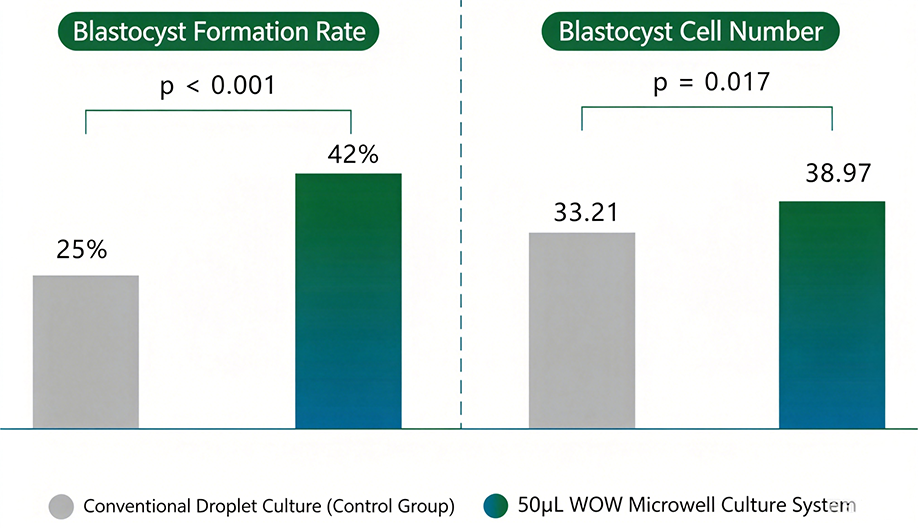
Key Takeaway: Under identical media and environmental conditions, the physical architecture of the precision microwell serves as the primary independent variable driving both blastocyst rates and embryo quality. This data challenges the traditional assumption that culture success relies solely on chemical optimization.
Technical Insights: Engineering an Intelligent Embryo Niche
The specific geometric configuration of the microwell guides molecular diffusion to create a natural, highly beneficial screening mechanism:
Targeted Enrichment of Endogenous Autocrine Macromolecules: Growth factors secreted by the embryo itself possess a high molecular weight and slow diffusion rates. The microwell geometry safely retains these factors within the immediate micro-niche, establishing a localized, high-concentration autocrine/paracrine pool that acts as a natural nutrient reservoir.

Rapid Clearance of Hazardous Metabolic Byproducts: Toxic metabolic wastes, such as ammonium ions and reactive oxygen species (ROS), have low molecular weights and diffuse rapidly. The microwell design allows these small molecules to quickly escape into the upper layer of the main culture media drop, where they are diluted and cleared, preventing waste accumulation and subsequent cellular stress.
This dynamic equilibrium—retaining beneficial factors while clearing metabolic waste—accurately mimics and optimizes the natural in vivo embryonic environment, providing a distinct competitive edge over conventional open-drop culture methods.
Conclusion: A New Era of Synergistic Physical & Chemical Regulation
The VitaVitro Microwell Culture System marks a paradigm shift in IVF laboratory workflows, advancing embryo culture from a single reliance on chemical formulations to a systematic approach combining physical architecture and chemical optimization.
Through precision microwell engineering, we provide a more controllable, efficient, and stable environment for every single embryo. This advancement represents not only a technological milestone but also a commitment to the foundational principle that every embryo deserves an optimal environment to thrive—driving ongoing clinical performance in assisted reproductive technologies worldwide.